
Marine Wireless Fire Detection Systems
Fire protection for marine environments presents distinct fire safety challenges. Confined vessel spaces, hazardous shipyard operations, and offshore installations often make traditional wired fire alarm systems impractical. Our Marine Wireless Fire Detection Systems support fire and life safety across a wide range of vessels and facilities.
Wireless temporary fire detection systems provide rapid deployment and complete flexibility for these demanding applications. Whether managing vessel construction, conducting ship repairs, overseeing dry dock operations, or protecting offshore platforms during maintenance, battery-powered wireless fire detection technology delivers comprehensive safety coverage without complex installations or power infrastructure dependencies.
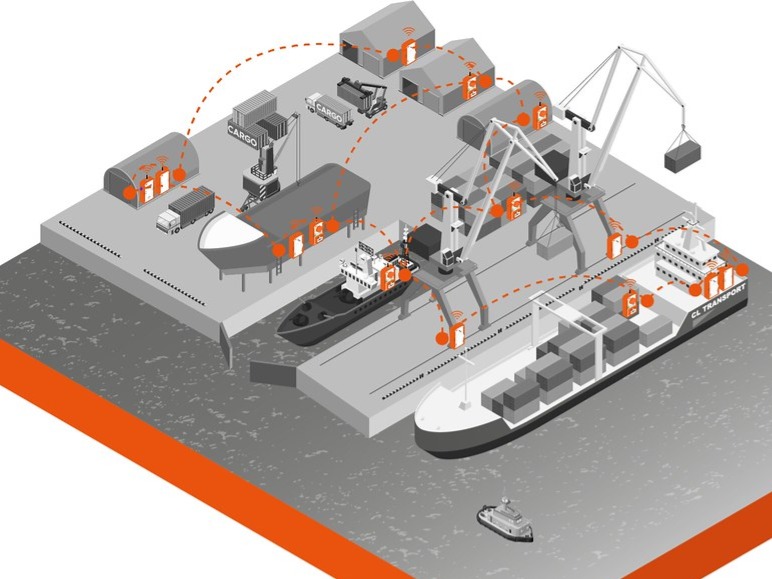
Marine Fire Detection Challenges
Tight compartments, engine rooms, and cargo holds require flexible detector placement without extensive cabling.
Shipyards and vessels under construction constantly evolve, requiring fire safety systems that adapt to changing conditions.
Many marine environments lack consistent electrical infrastructure during construction, repair, or retrofit phases.
Exposure to moisture, salt air, vibration, and temperature variations demands durable, marine-rated equipment.
Tight project schedules for temporary work, dry dock operations, and emergency situations require rapid deployment.
Welding, cutting, painting, and fuel handling create elevated fire hazards requiring effective detection coverage.
Temporary Wireless Fire Alarm Benefits
Install complete fire detection coverage in minutes, not days. No cabling, power hookups, or specialized tools required.
Operates independent of vessel or facility power systems — ideal for ships under construction, dry dock, or offshore platforms during maintenance.
No cable runs through bulkheads, no conduit installations, no infrastructure modifications. Full flexibility for complex marine layouts.
Move detectors as work progresses through different vessel compartments or shipyard zones without reinstallation.
Protect a single compartment or an entire vessel. Scale from small workboats to large commercial vessels and extensive shipyard facilities.
Cloud-based alert systems deliver real-time notifications to safety managers, supervisors, and emergency personnel from a single platform.
Meet OSHA, Coast Guard, and insurance requirements for fire detection during marine construction, repair, and maintenance.
Reduce installation labor costs, minimize project delays, and avoid permanent system modifications. Reusable across multiple projects.
Get Marine Fire Detection Solutions from Hiller
Contact Hiller today to discuss wireless temporary fire alarm solutions for your vessel, shipyard, dry dock, or offshore facility. Our team can provide technical specifications and application guidance for your specific requirements.
Marine Applications of Wireless Fire Detection Systems
Our wireless fire detection systems address the practical challenges of fire safety in diverse marine settings where permanent installations are not feasible or cost-effective.

Protect ships during construction phases when permanent fire systems aren’t yet operational. Monitor engine rooms, accommodation areas, and cargo spaces as they’re built out.
Safeguard vessels undergoing repair, maintenance, or retrofit. Provide temporary coverage during hot work, painting, and system upgrades.
Protect fabrication shops, paint booths, storage areas, and administrative buildings. Secure temporary structures and material staging areas.
Monitor vessels during extensive repairs or conversions when existing fire systems are disabled. Cover welding, cutting, and other hot work areas.
Provide temporary fire detection during platform maintenance, module installation, or decommissioning when primary systems are offline.
Protect high-value vessels during refit, winterization, or storage. Secure marina workshops, boat storage buildings, and maintenance facilities.
Deliver supplemental fire detection during drydocking, refurbishment, or major system upgrades affecting existing fire protection systems.
Support military vessel maintenance with flexible fire detection that adapts to restricted areas and security requirements without permanent modifications.
System Components
Complete wireless fire detection systems include these core components for comprehensive marine fire safety coverage.
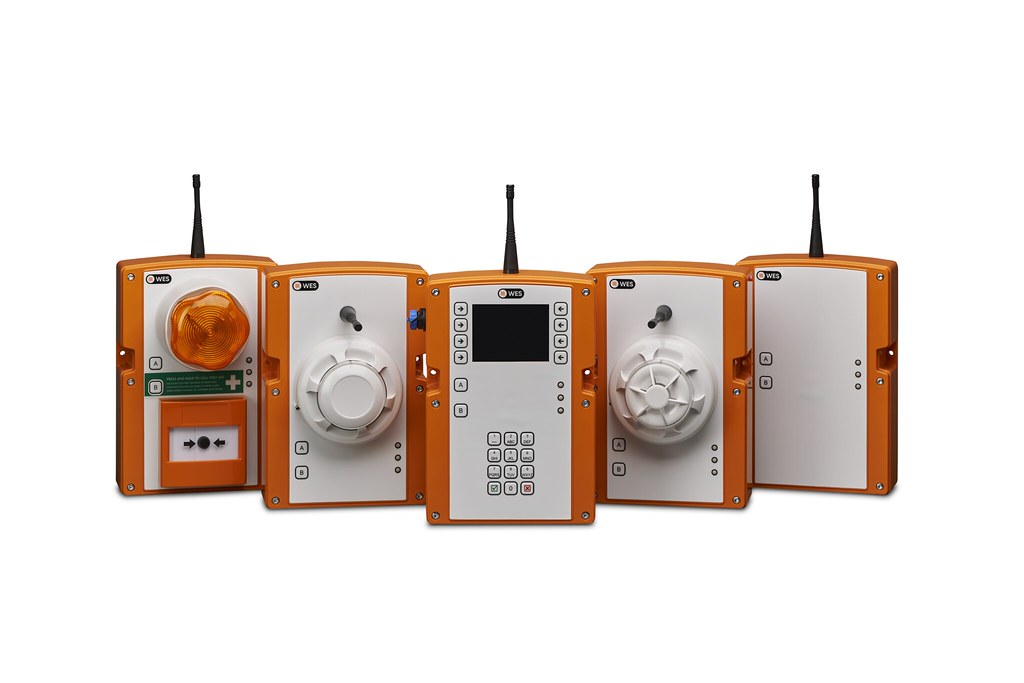
Advanced optical sensors detect smoke particles early, providing critical warning time in vessel compartments, accommodation spaces, and confined areas.
Reliable temperature monitoring ideal for engine rooms and machinery spaces where smoke detection may false alarm. Detects dangerous heat before fire develops.
Strategically placed activation stations allow personnel to trigger alarms manually upon discovering fire, ensuring rapid emergency response across the vessel.
The monitoring hub provides real-time system status, zone identification, and alarm management. Displays detector locations and system health at a glance.
Specialized cable-based heat detection for cable runs, pipe chases, and areas requiring continuous monitoring along extensive linear paths.
Smartphone and computer notifications deliver instant alerts to designated personnel, ensuring 24/7 monitoring capability for unmanned vessels or facilities.
Key Marine Fire Protection System Features
Shipyard personnel, vessel crew, or maintenance teams can install and configure systems without specialized training or certifications.
Wireless protocols designed to operate in steel-heavy marine environments with multiple radio sources and electronic equipment.
Long-lasting battery operation reduces maintenance requirements during extended projects, dry dock periods, or seasonal storage.
Organize detectors by vessel compartments, shipyard areas, or risk zones for precise alarm location identification and emergency response.
Monitor multiple vessels, facilities, or projects from centralized control — ideal for shipyards managing concurrent operations.
Event logging provides documentation for insurance requirements, regulatory compliance, and safety program recordkeeping.
Frequently Asked Questions
Systems can typically be installed and operational within hours. No cabling or power infrastructure modifications are required.
Modern wireless fire detection systems use radio protocols designed for metal-heavy marine environments. Repeaters can be positioned to ensure coverage throughout complex vessel layouts.
Equipment is designed to withstand marine environments including moisture exposure, temperature variations, vibration, and salt air conditions typical in shipyards and aboard vessels.
Battery-powered wireless systems operate independently of vessel electrical systems, continuing to function during power outages or electrical system work.
Requirements vary by vessel type and jurisdiction. Wireless temporary fire detection can fulfill regulatory obligations during construction, repair, and maintenance when permanent systems are not installed or temporarily disabled. Consult your classification society or regulatory authority for specific requirements.
Yes. Equipment portability and wireless design make these systems suitable for rental or reuse across multiple marine projects, maximizing your investment.